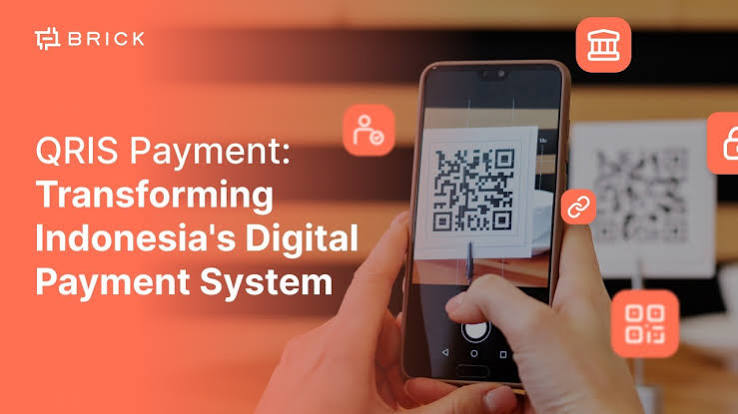

The development of digital technology has significantly changed how financial transactions are performed. Cashless payments are now integrated into many aspects of daily life, from purchasing goods and services to managing online activities. This transformation is supported by improvements in mobile applications, internet connectivity, digital banking infrastructure, and standardized payment systems.
In Indonesia, QRIS has become an important component of the cashless payment ecosystem. QRIS, which stands for Quick Response Code Indonesian Standard, establishes a unified QR payment standard that can be used across participating financial applications. This approach reduces the need for merchants to provide multiple QR codes for different payment providers while giving consumers more flexibility when selecting their preferred banking or digital wallet application.
The transaction process is relatively straightforward. A user opens a compatible mobile banking or electronic wallet application and scans the merchant’s QR code. The application then displays the transaction information, allowing the user to verify the recipient and payment amount before authorizing the transaction. Once confirmation is completed, the payment is processed digitally and the transaction record is generally stored within the application.
One of the notable advantages of this system is operational efficiency. Consumers do not need to carry physical cash or calculate change during a transaction. Businesses can also reduce their dependence on cash handling, which may simplify daily accounting procedures. Digital records can provide useful references when reviewing expenses, reconciling sales, or monitoring transaction histories.
QRIS can also support transactions involving smaller payment values. For example, users researching digital payment options for services associated with the term Slot Deposit 5000 may encounter QR-based payment infrastructure as one of several available transaction methods. The usefulness of a payment system in such circumstances depends on factors such as transaction accuracy, processing reliability, applicable fees, and the security practices implemented by the relevant service.
Security remains an important consideration in any digital payment environment. Users should carefully verify the recipient’s information and transaction amount before confirming a payment. QR codes should only be scanned when their source is known and trusted. Users should also protect passwords, personal identification numbers, authentication codes, and other account credentials from unauthorized access.
Another factor influencing cashless payment adoption is transaction accessibility. Mobile-based payment systems can make financial services easier to access for people who regularly use smartphones. As digital literacy improves, users are increasingly able to manage payments, review transaction histories, and identify unusual activity through applications.
The continued integration of QR-based payments into digital commerce also creates new expectations regarding speed, interoperability, transparency, and data protection. Services connected with searches such as Slot Depo 5k may use digital payment channels, but users should independently examine transaction terms, applicable charges, and the credibility of the service before completing any payment.
Businesses and consumers therefore have different responsibilities within the digital payment ecosystem. Merchants need to maintain accurate payment information and provide clear transaction details, while consumers must verify payment destinations and protect their account credentials. These practices become increasingly important as cashless transactions continue to replace conventional cash-based processes.