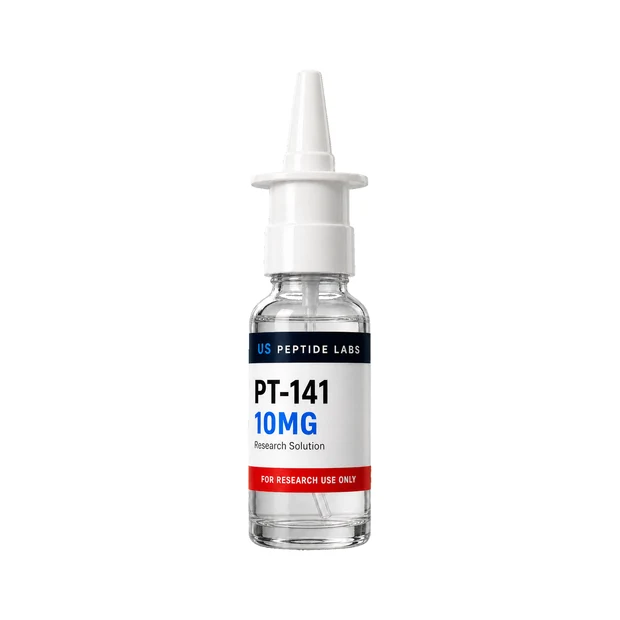
Peptide nasal sprays are gaining attention in biochemical and pharmaceutical research because they offer a distinct formulation format for studying peptide compounds and intranasal delivery systems. Their evaluation involves understanding molecular properties, formulation stability, nasal compatibility, and analytical testing. Researchers must consider these factors to assess the quality and documented characteristics of different preparations.
Laboratories exploring this category can find Peptide nasal sprays online through specialized research suppliers offering different compounds and pre-formulated spray preparations. However, choosing research materials requires more than comparing product names. Understanding the underlying formulation science and available laboratory documentation is essential for making informed research decisions.
This guide explores the important characteristics of peptide nasal sprays, the compounds available for research, and the quality standards laboratories should consider.
What Are Peptide Nasal Sprays?
Peptide nasal sprays are liquid preparations containing peptide-based compounds in a nasal spray format. They are studied in formulation research to understand molecular stability, chemical compatibility, and characteristics associated with intranasal delivery.
Peptides are composed of amino acids connected through peptide bonds. Their molecular structures influence properties such as solubility, molecular weight, electrical charge, and susceptibility to degradation.
Understanding Intranasal Peptide Formulations
Intranasal formulation research examines how peptide compounds interact with the nasal environment and the ingredients used in a preparation.
The nasal cavity contains mucosal surfaces and biological enzymes that can influence the behavior of different compounds. Researchers therefore investigate formulation properties that may affect chemical stability and experimental consistency.
However, a nasal spray format alone does not establish absorption, bioavailability, or therapeutic effectiveness. These characteristics require appropriate scientific investigation.
Why Are Peptide Nasal Sprays Studied in Formulation Research?
Intranasal delivery represents a distinct area of pharmaceutical research because the nasal cavity has different biological characteristics from the gastrointestinal tract and other administration environments.
Researchers investigate how molecular structure, formulation composition, and biological barriers influence the behavior of peptide compounds. These studies contribute to a broader understanding of peptide delivery technologies.
Molecular Weight and Solubility
Molecular weight is an important characteristic when evaluating peptide compounds. Larger molecules can present different formulation and permeability challenges compared with smaller molecules.
Solubility also influences how a peptide behaves within a liquid preparation. Researchers examine whether the compound remains compatible with the formulation environment and maintains its expected analytical characteristics.
These properties vary between peptide sequences, meaning that every compound requires individual evaluation.
Nasal Mucosal Environment
The nasal mucosa provides a biological barrier that influences the interaction between a formulation and the surrounding tissue.
Factors such as enzymatic activity, mucus composition, and epithelial permeability are relevant to intranasal delivery research.
A scientific review published in the Journal of Controlled Release discusses important physicochemical and formulation considerations for intranasally delivered peptides.
Which Compounds Are Available in Nasal Peptide Research?
Different peptide compounds are investigated because they have distinct molecular structures and biological research backgrounds. US Peptide Labs lists multiple nasal spray preparations covering metabolic, neurological, and other biochemical research categories.
Understanding the differences between these compounds helps researchers interpret their scientific properties and evaluate the documentation associated with individual preparations.
GLP-2T and GLP-3RT Nasal Spray Research
GLP-2T is listed as a dual GLP-1 and GIP receptor agonist research compound. GLP-3RT is listed as a triple-agonist compound associated with GLP-1, GIP, and glucagon receptor pathways.
These receptor systems are studied for their involvement in metabolic signaling and biological regulation.
Researchers examining these compounds should distinguish between evidence relating to established pharmaceutical formulations and research-only nasal preparations. Clinical findings involving injectable formulations do not establish equivalent absorption or effectiveness for nasal spray formats.
Semax and Selank Research
Semax and Selank are synthetic peptides studied in relation to different neurological and biological signaling pathways.
Their research backgrounds involve molecular interactions and biochemical activity. Scientists examining these compounds consider their individual sequences, molecular characteristics, and formulation properties.
PT-141 and Oxytocin
PT-141, also known as bremelanotide, is associated with melanocortin receptor research. Oxytocin is a peptide hormone investigated for its role in receptor-mediated biological signaling.
Both compounds have distinct molecular structures and research applications. Their inclusion in nasal spray preparations does not establish clinical suitability for that route.
What Factors Affect the Quality of Peptide Nasal Sprays?
The quality of a research preparation depends on several measurable characteristics. Compound identity, purity, concentration, formulation compatibility, and batch consistency all contribute to its analytical assessment.
Researchers should evaluate these factors together rather than relying on a single specification.
Temperature and Chemical Stability
Temperature can influence chemical reactions and molecular degradation. Certain peptides may be particularly sensitive to environmental fluctuations.
Light exposure and storage conditions can also affect specific formulations. Researchers should follow the storage information provided for the individual preparation instead of assuming that every peptide requires identical conditions.
pH and Ingredient Compatibility
The pH of a liquid formulation can influence peptide solubility, electrical charge, and chemical stability.
Other formulation ingredients may also affect the surrounding chemical environment. Laboratory evaluations can examine possible changes in composition, precipitation, and aggregation.
These considerations are particularly important when assessing liquid preparations over their documented storage period.
How Can Researchers Verify Peptide Nasal Spray Quality?
Analytical testing helps establish whether a research material meets its documented specifications. Different laboratory methods measure different characteristics, so researchers should understand what each test actually demonstrates.
Independent testing and batch-specific documentation provide additional information for evaluating research materials.
HPLC and Mass Spectrometry
High-performance liquid chromatography (HPLC) is commonly used to separate sample components and assess chromatographic purity.
Mass spectrometry provides molecular mass information that can support compound identification.
Together, these methods offer complementary analytical information. However, neither method alone establishes every quality characteristic, such as sterility, endotoxin levels, or long-term stability.
Understanding the Certificate of Analysis
A Certificate of Analysis (COA) contains analytical information associated with a particular production lot.
Researchers should review the following details:
- Compound identification and sample information.
- Batch or lot number.
- Testing date and laboratory details.
- Reported HPLC purity results.
- Mass spectrometry findings.
- Analytical methods and supporting results.
US Peptide Labs highlights independent third-party testing and lot-specific certificates. Its product labels include QR codes that provide access to available laboratory documentation.
Researchers should match the lot number on the product with the corresponding certificate rather than relying on documentation from another batch.
What Should You Consider When Selecting Research Nasal Sprays?
Selecting research materials requires careful evaluation of product specifications and supporting documentation. Researchers should first identify the compound relevant to their laboratory objectives and review its molecular characteristics.
They should also examine available purity results, batch traceability, testing methods, and storage information.
Supplier transparency is another important consideration. Clear product information and accessible analytical records help laboratories understand which characteristics have been documented.
It is equally important to distinguish research materials from approved medicines. Research-use-only preparations are not intended for human consumption, veterinary use, or medical applications.
Conclusion
Peptide nasal sprays represent an important subject in formulation and biochemical research. Their evaluation involves understanding molecular structure, intranasal delivery considerations, formulation stability, and analytical quality standards.
Compounds such as GLP-2T, GLP-3RT, Semax, Selank, PT-141, and Oxytocin have different molecular characteristics and research backgrounds. Evaluating them requires appropriate analytical methods and careful interpretation of available scientific evidence.
US Peptide Labs provides a dedicated nasal spray research collection with product information and available lot-specific laboratory documentation. Reviewing these records can help researchers understand the documented characteristics of individual preparations. For additional information about products or certificates, contact us.
Frequently Asked Questions
1. What are peptide nasal sprays used for in research?
Peptide nasal sprays are studied in formulation research involving molecular stability, intranasal delivery systems, chemical compatibility, and peptide characteristics. Their research applications depend on the individual compound.
2. What factors influence the quality of peptide nasal sprays?
Important factors include molecular identity, purity, concentration, pH, temperature sensitivity, ingredient compatibility, and batch documentation.
3. What is the difference between GLP-2T and GLP-3RT nasal sprays?
GLP-2T is listed as a dual GLP-1/GIP receptor agonist research compound, whereas GLP-3RT is associated with GLP-1, GIP, and glucagon receptor pathways. They have different molecular and research characteristics.
4. How can researchers verify the purity of nasal peptides?
Researchers can examine HPLC reports, mass spectrometry findings, and lot-specific Certificates of Analysis. These documents provide analytical information about compound identity and reported purity.
5. Are research peptide nasal sprays approved for human consumption?
No. Research-use-only preparations are not approved for human consumption or medical treatment simply because they are supplied in nasal spray formats. US Peptide Labs products are intended strictly for lawful laboratory and analytical research.