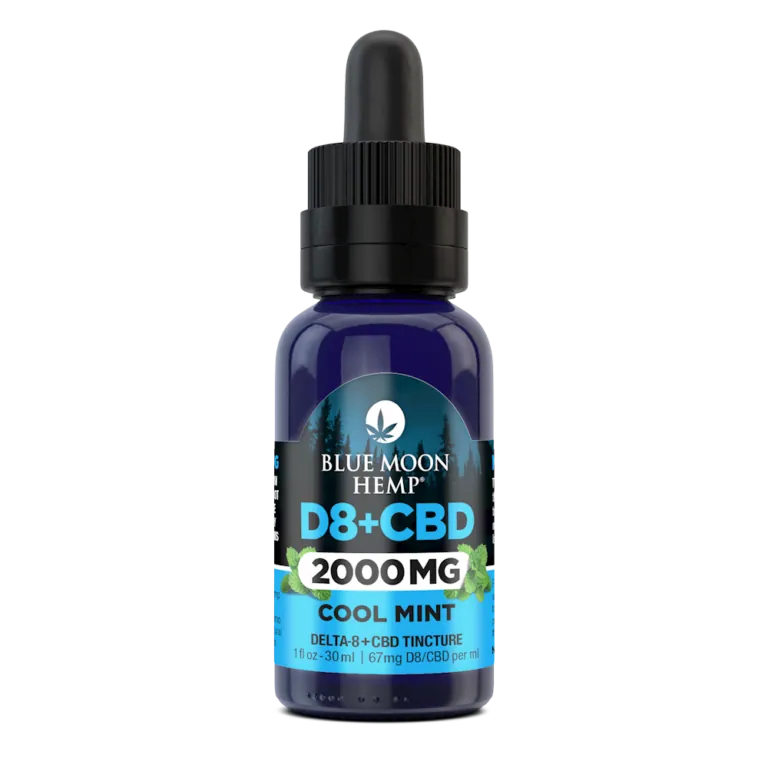

Delta-8 THC tinctures offer a measured way to use hemp-derived cannabinoid products. They are commonly taken as liquid drops, allowing users to adjust the amount according to the product’s instructions. However, concentration, ingredients, testing, and individual tolerance all affect the experience. Anyone researching a delta 8 thc tincture should understand how these products are made, how to read their labels, and what precautions to consider before use.
Unlike gummies and other edible products, tinctures are liquid formulations that usually come with a dropper. This format makes it easier to measure a serving, although the amount of Delta-8 THC in each drop depends on the product’s concentration. Reading the label carefully is essential because bottle size alone does not tell you how much THC a serving contains.
What Is a Delta-8 THC Tincture?
A Delta-8 THC tincture is a liquid hemp-derived product containing delta-8 tetrahydrocannabinol, a cannabinoid found naturally in cannabis plants in small amounts. Commercial products may use extracted or converted Delta-8 THC, depending on the manufacturing process. The cannabinoid is usually combined with a carrier oil to create a liquid that can be measured with a dropper.
Delta-8 THC interacts with the body’s endocannabinoid system, which is involved in several processes, including mood, appetite, and sleep regulation. Its effects can differ from those associated with Delta-9 THC, but Delta-8 is still psychoactive and can affect alertness, coordination, and judgement.
How the liquid formula works
The carrier oil helps distribute the cannabinoid throughout the liquid and makes it easier to measure. Common carrier oils include MCT oil and hemp seed oil, although formulations vary between manufacturers.
The concentration determines how much Delta-8 THC is present in the bottle and in each measured serving. A dropper may have measurement markings, but users should check the product label to understand the amount delivered by each marking.
Why the Concentration on the Label Matters
The total milligrams listed on a tincture bottle describe the amount of Delta-8 THC in the entire container, not necessarily in one serving. This distinction matters because two bottles with the same volume can contain different cannabinoid concentrations.
For instance, a bottle containing 1,000 mg of Delta-8 THC has a different concentration from a bottle containing 500 mg, even if both hold the same amount of liquid. The serving size and dropper measurements help explain how much cannabinoid is present in a particular amount.
Calculating the amount in each serving
To understand the concentration, divide the total milligrams of Delta-8 THC by the number of millilitres in the bottle. This gives an approximate milligram amount per millilitre.
For example, a 1,000 mg bottle containing 30 ml of liquid provides approximately 33.3 mg of Delta-8 THC per ml. This calculation helps explain why checking both bottle strength and liquid volume is necessary.
People unfamiliar with cannabinoid products should avoid assuming that a full dropper is a suitable starting amount. Product instructions, personal circumstances, and professional advice should guide decisions about use.
Delta-8 Drops and the Importance of Accurate Measurement
Liquid tinctures are often called drops because they are supplied with a dropper. The dropper allows users to measure the liquid, but individual drops are not always a reliable way to calculate an exact THC amount. Drop size can change based on the oil’s thickness, the dropper design, and how the bottle is held.
Anyone comparing delta 8 drops should check the stated serving size and cannabinoid concentration instead of relying on the number of drops alone. A clearly labelled product should explain the total cannabinoid content and provide instructions for measuring the liquid.
Why dropper markings are useful
Measurement markings can help users identify a consistent volume. They are generally more useful than counting individual drops because they provide a clearer indication of how much liquid is being measured.
However, the milligram amount still depends on the product’s concentration. A 1 ml serving from one bottle may contain a different amount of Delta-8 THC than the same volume from another. Always refer to the specific product label.
Ingredients That Deserve Attention
The ingredient list provides useful information about the quality and composition of a tincture. Delta-8 THC is only one part of the formula. Carrier oils, flavouring agents, and other ingredients may also be present.
MCT oil is commonly used because it mixes well with cannabinoids and has a relatively neutral taste. Hemp seed oil is another possible carrier, although it has a different nutritional composition and flavour. Some tinctures may also contain natural or artificial flavouring.
Check for unnecessary additives
Read the full ingredient list before choosing a product, particularly if you have known allergies or sensitivities. Avoid products that do not clearly identify their ingredients.
The label should also explain the amount of Delta-8 THC in the container and provide clear serving instructions. Vague descriptions and unsupported health claims are reasons to seek more information before purchasing.
Third-Party Testing and Product Transparency
Independent laboratory testing is an important part of evaluating hemp-derived cannabinoid products. A Certificate of Analysis, commonly called a COA, records laboratory findings about a tested sample.
A useful COA should identify the product or batch and provide cannabinoid potency results. Depending on the testing programme, it may also include screening for contaminants such as pesticides, residual solvents, heavy metals, and microbial impurities.
How to review a Certificate of Analysis
Check that the batch number on the report matches the product you are considering. Review the reported cannabinoid levels and confirm that the testing laboratory is identified.
The report should be recent enough to relate to the current batch. A generic laboratory document that cannot be connected to the product offers limited reassurance. If a seller cannot provide relevant testing information, consider choosing a product with clearer documentation.
Safety Precautions Before Using Delta-8 THC
Delta-8 THC is psychoactive. It can cause impairment, drowsiness, anxiety, confusion, and changes in coordination or perception. The strength and duration of its effects may vary depending on the amount used, individual sensitivity, and other factors.
Do not drive, operate machinery, or perform tasks that require full attention after using Delta-8 THC. Avoid combining it with alcohol, sedatives, or other substances that can cause drowsiness or impairment.
Consider medication and health factors
Cannabinoids may interact with certain medicines. Anyone taking prescription medication, managing a health condition, pregnant, or breastfeeding should avoid Delta-8 THC unless a qualified healthcare professional confirms that use is appropriate.
Keep tinctures in their original packaging and store them securely away from children and pets. Accidental ingestion can require urgent medical advice, particularly when the amount consumed is unknown.
Legal Requirements and Responsible Purchasing
The legal status of Delta-8 THC differs across jurisdictions. Some areas restrict or prohibit products containing Delta-8 THC, while others regulate them under specific cannabis or hemp laws. Federal rules and local requirements may also differ and can change.
Consumers should check the laws that apply to their location before ordering or possessing a tincture. A product being available online does not automatically mean it can legally be shipped to every state or region.
Choose sellers that provide clear product descriptions, accessible laboratory reports, ingredient details, and transparent business information. Avoid relying on claims that a product is legal everywhere or suitable for everyone.
Making an Informed Choice
A Delta-8 THC tincture should be evaluated through its label, formulation, testing records, and safety information rather than packaging or marketing claims. Concentration determines how much cannabinoid is present, while the carrier oil and other ingredients describe the rest of the formula.
Take time to review the available product information and understand the legal requirements in your area. A careful approach helps consumers make better-informed decisions about hemp-derived products without assuming that every tincture has the same strength, ingredients, or effects.
Frequently Asked Questions
1. What is a Delta-8 THC tincture used for?
A Delta-8 THC tincture is a liquid cannabinoid product. It is commonly taken in measured amounts using a dropper. It is psychoactive and should not be treated as a proven treatment for a medical condition.
2. How do I know how much Delta-8 THC is in a dropper?
Check the bottle’s total cannabinoid content, liquid volume, and stated serving size. These details help calculate the approximate milligram amount in a measured volume. Do not rely on drop counts alone because drop sizes can vary.
3. How should Delta-8 drops be stored?
Follow the manufacturer’s storage instructions. Keep the bottle tightly closed, away from excessive heat and direct sunlight, and out of reach of children and pets. The original packaging can help preserve product information and batch details.
4. Does Delta-8 THC tincture have the same effects as Delta-9 THC?
No. Delta-8 THC and Delta-9 THC are different cannabinoids, and their effects may differ. However, both are psychoactive and can cause impairment. Individual responses depend on several factors, including product concentration and personal sensitivity.
5. Where can I find hemp-derived Delta-8 products?
Consumers can review the available product information at Blue Moon Hemp. Before purchasing, check the product’s ingredients, cannabinoid concentration, laboratory testing, serving instructions, and legal availability in your location.